
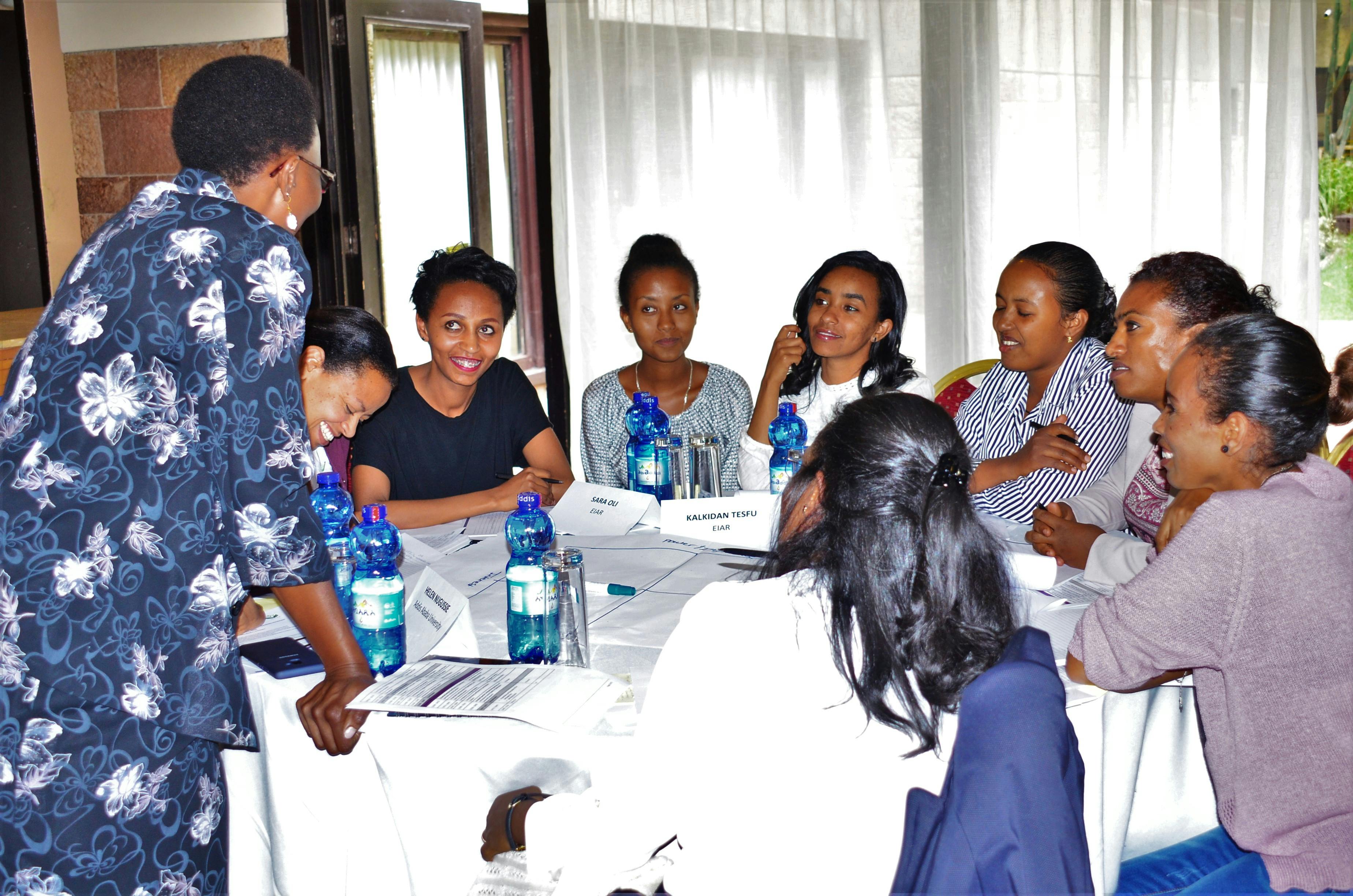
African women scientists are playing an increasingly pivotal role in transforming communities through innovative solutions in health, agriculture and environmental sustainability, challenging long-standing perceptions that women and girls do not occupy central positions in science.
This emerged during a webinar marking the International Day of Women and Girls in Science celebrated on February 11, 2026. The event, themed ‘From Lab to Market: Women Turning Science into Impact,’ highlighted how research led by women is moving beyond academic journals to products and technologies that directly improve lives.
At the center of the discussion was Dr. Margaret Ilomuanya, a pharmaceutical scientist and Associate Professor at the University of Lagos. Her professional journey, she explained, reflects a deliberate shift from academic publishing toward developing practical health solutions tailored to African communities.
Dr. Ilomuanya traced her inspiration to nearly a decade of work in community pharmacy, much of it focused on HIV awareness and care. “It was the work that I did in the community for close to a decade that actually shaped my resolve to go back and get more education in order to create products that were tailored specifically to the needs of women and girls,” she said. Through her direct engagement with patients, she observed persistent gaps in access to medicines and noted that many products were either unavailable or poorly designed for women’s realities.
Determined to address these shortcomings, Dr. Ilomuanya pursued advanced training both locally and internationally, repositioning herself as a product developer. “For you to move from your space of contractual appreciation of what issues are to the space of innovation, you must also be ready to learn,” she said, emphasizing the importance of unlearning, relearning and expanding one’s expertise to drive meaningful innovation.
Today, she serves as the Principal Investigator at the MedAfrica GMP Laboratory, described as the only Good Manufacturing Practice (GMP)-certified pre-clinical product development laboratory in West Africa. There, she leads artificial intelligence-driven research into advanced drug delivery systems, biomimetic technologies, women-focused contraceptive solutions, wound healing therapies and cosmeceuticals. Her team has developed and secured intellectual property for dermatological products and herbal supplement concentrates that are now commercially available within the region.
For Dr. Ilomuanya, the true measure of scientific achievement lies in impact rather than publication counts. “Research actually became more than papers. My scientific awakening came when we looked at publications not for scientific points, but also as a means to change lives,” she said.
Also speaking at the webinar, Dr. Margaret Karembu, Director of the ISAAA AfriCenter and Chair of the African Women for Biosciences initiative, urged women scientists to take a more active role in shaping science-related policies. She emphasized the need for policies that amplify women’s voices and ensure they influence investments in biosciences across the continent.
Dr. Karembu expressed concern that many scientists remain confined to laboratories and overlook entrepreneurial training, which she described as critical for translating research into real-world impact. “By developing soft skills such as pitching and communicating with non-technical audiences, women scientists can better attract investors and drive adoption of their innovations,” she explained.
The webinar, organized by ISAAA AfriCenter under the auspices of the African Women for Biosciences and the Africa Science Dialogue, drew more than 60 participants, most of them African women in science. The African Women for Biosciences initiative aims to strengthen the capacity of African women to engage in biosciences and policy dialogue to advance sustainable livelihoods.