
An interactive platform that curbs misinformation on innovations in agriculture, health and the environment through expert-driven dialogue. It connects experts, journalists and members of the public to interact and share factual, verifiable and credible information about science, technologies and innovations.
Demystifying The One Health Approach in Africa
▶
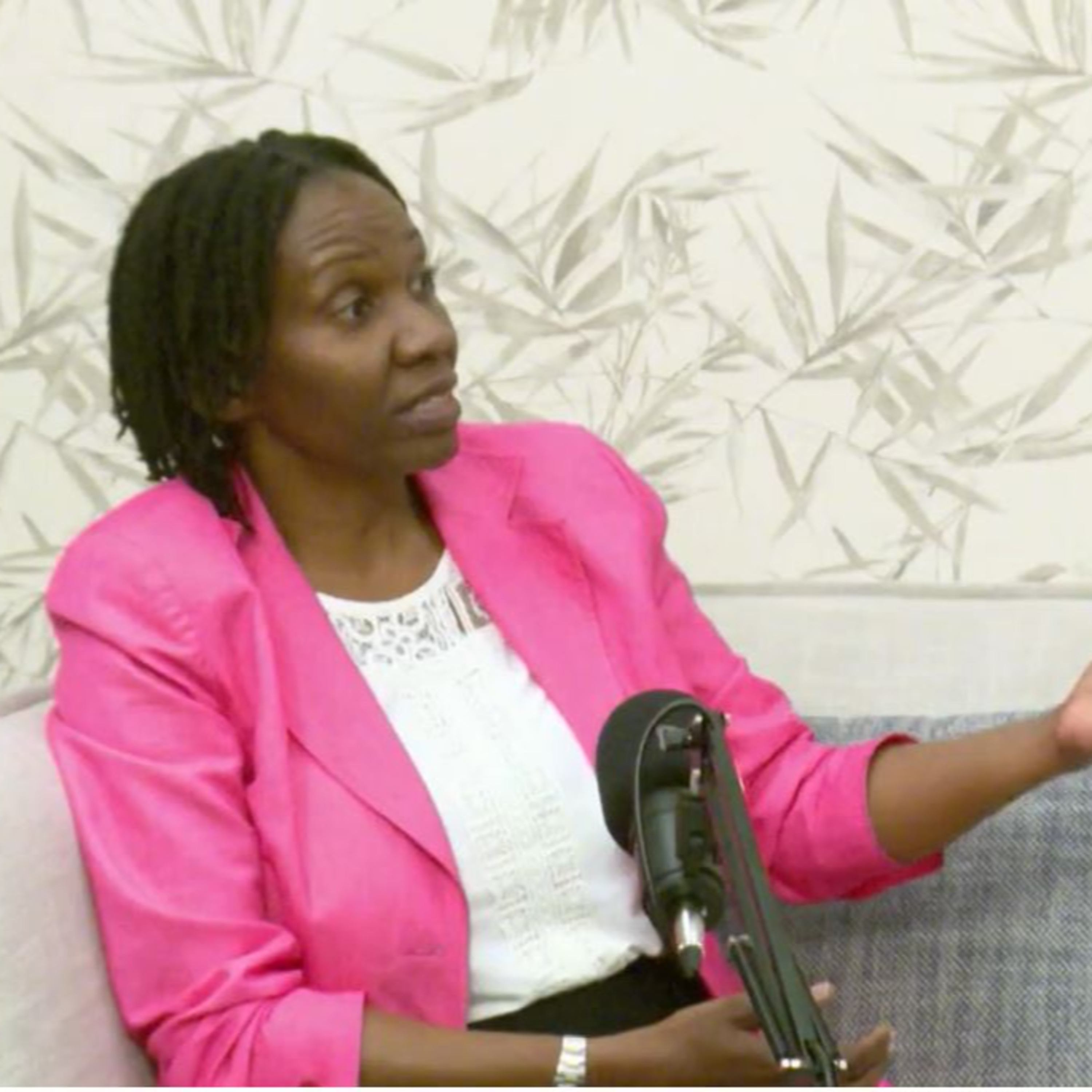
When the Environment Responds to Human Sabotage
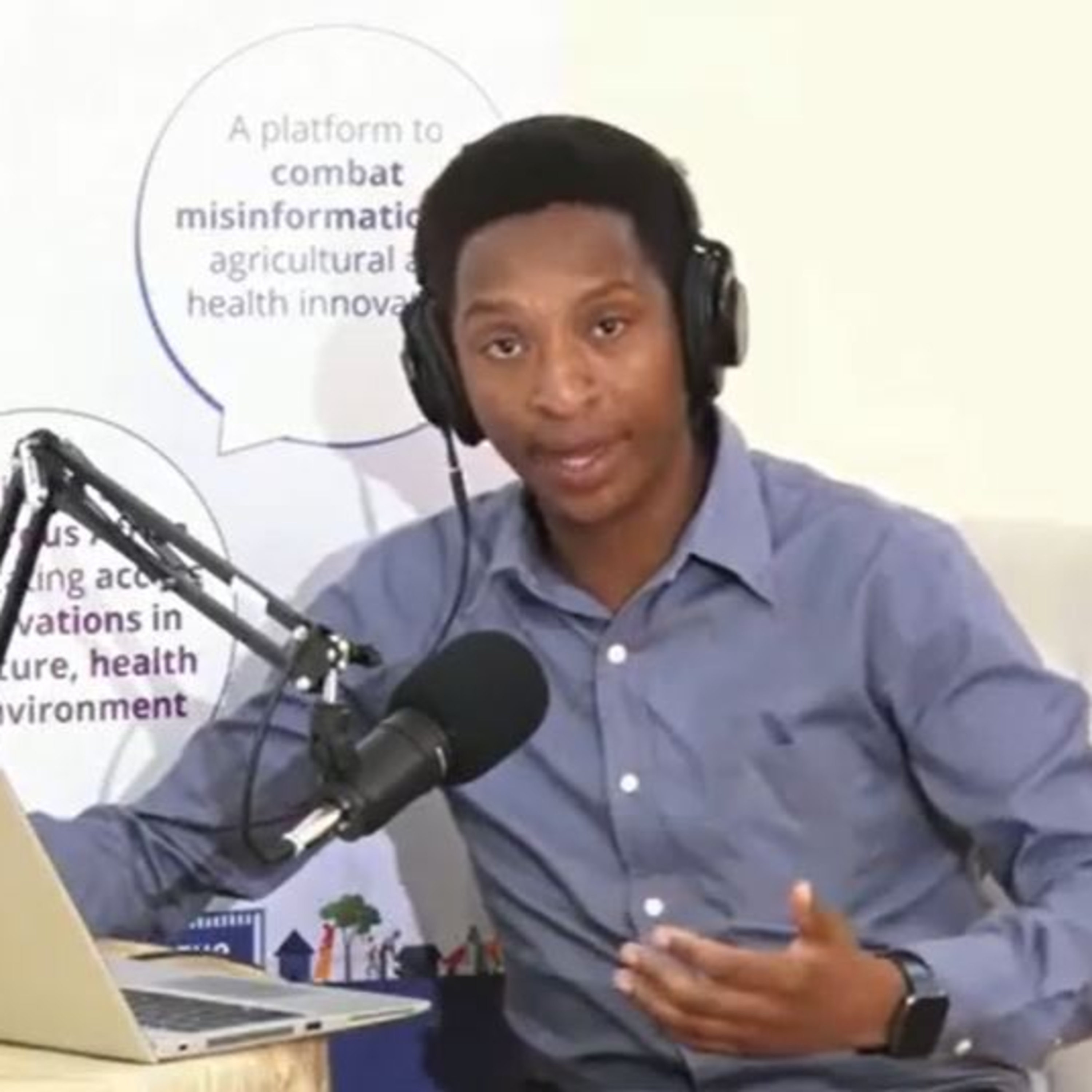
A Conversation on Silent Influencers of One Health in Uganda

What shapes health beyond biology? Culture, community, and inequality

Animal Biotechnology: Reimagining Africa’s Livestock Future
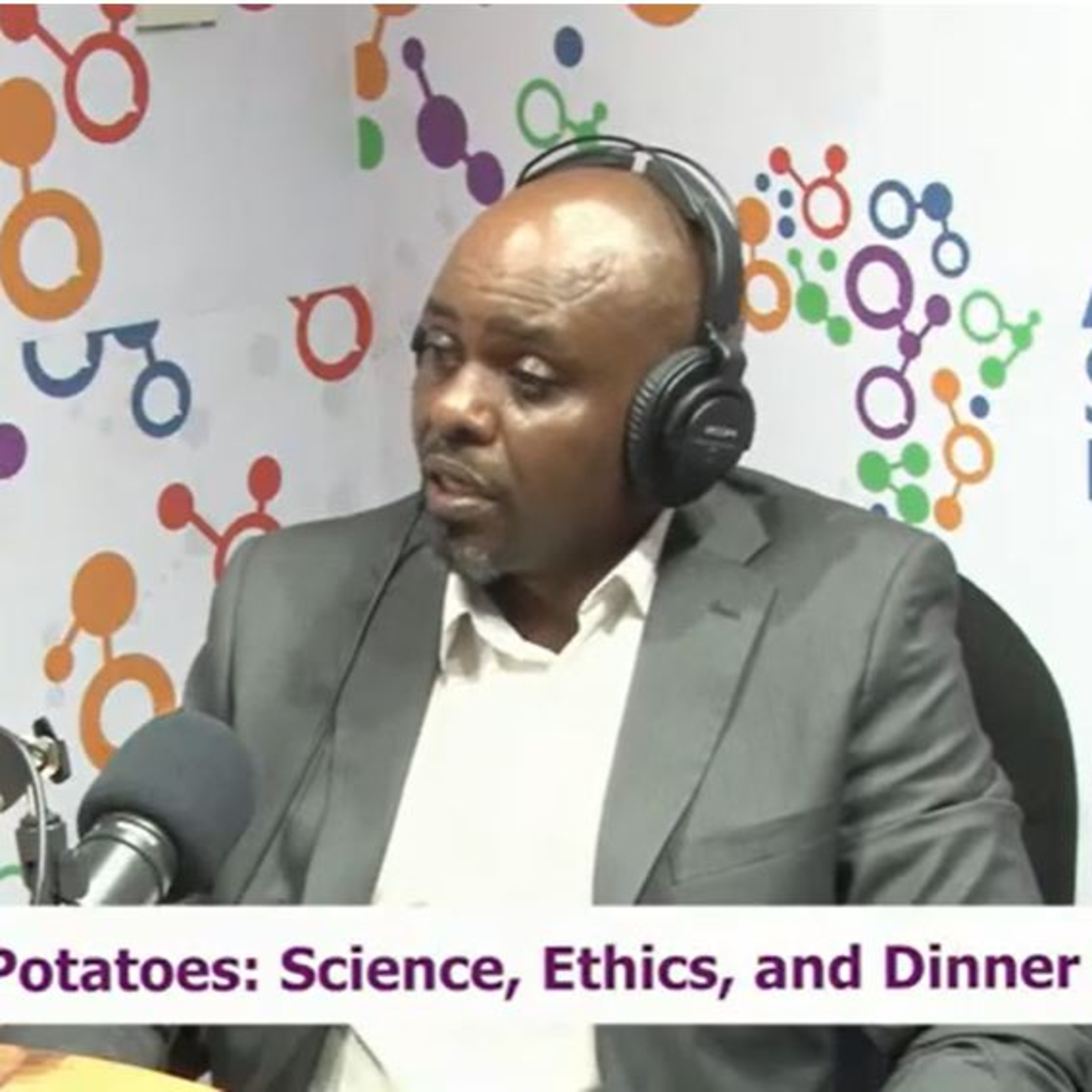
GMO Potatoes: The Science, Ethics, and Dinner Plates

Plastics, Climate Change and One Health: A Future beyond Waste

Celebrating Women and Girls in Science
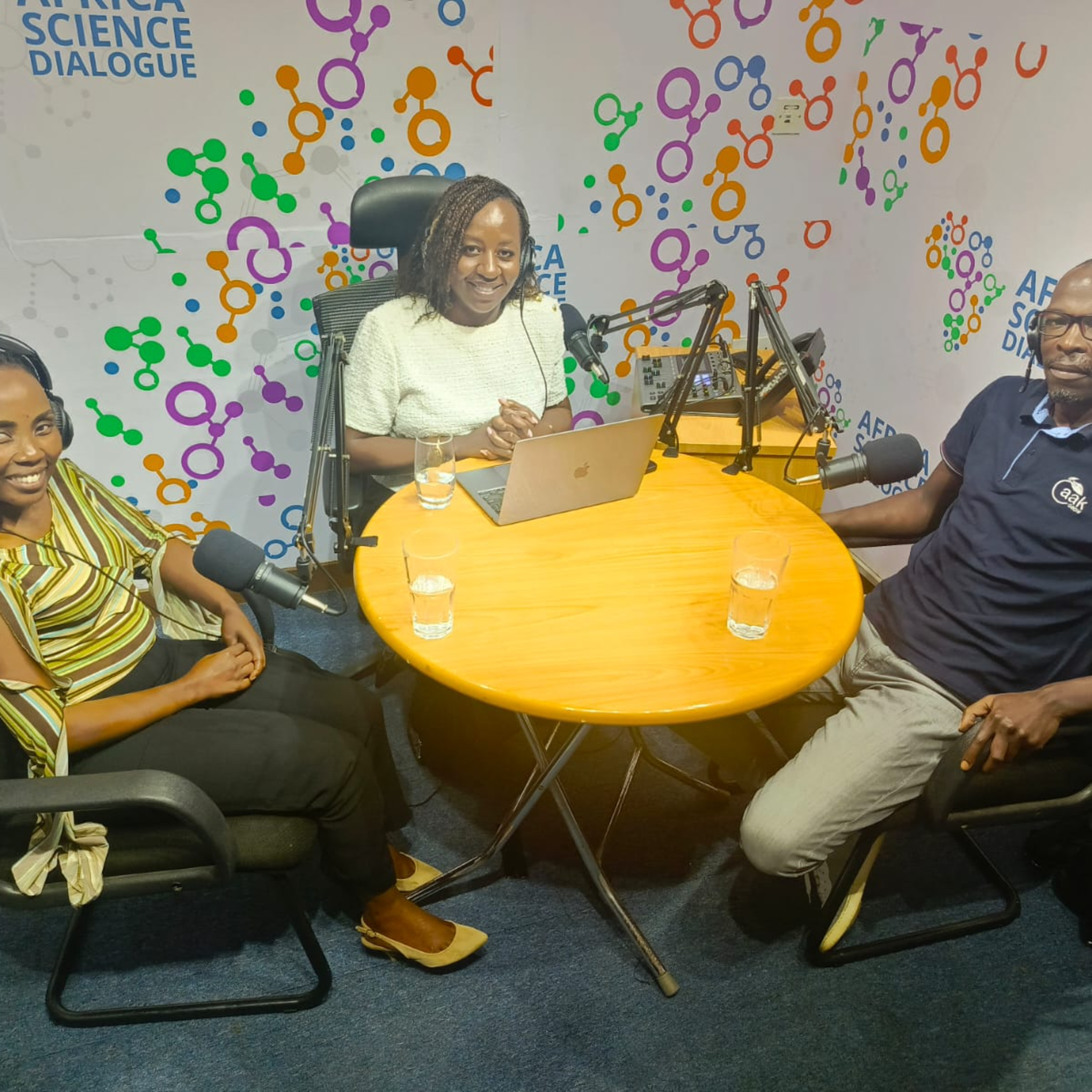
Ensuring Agricultural Safety and Sustainability in Africa
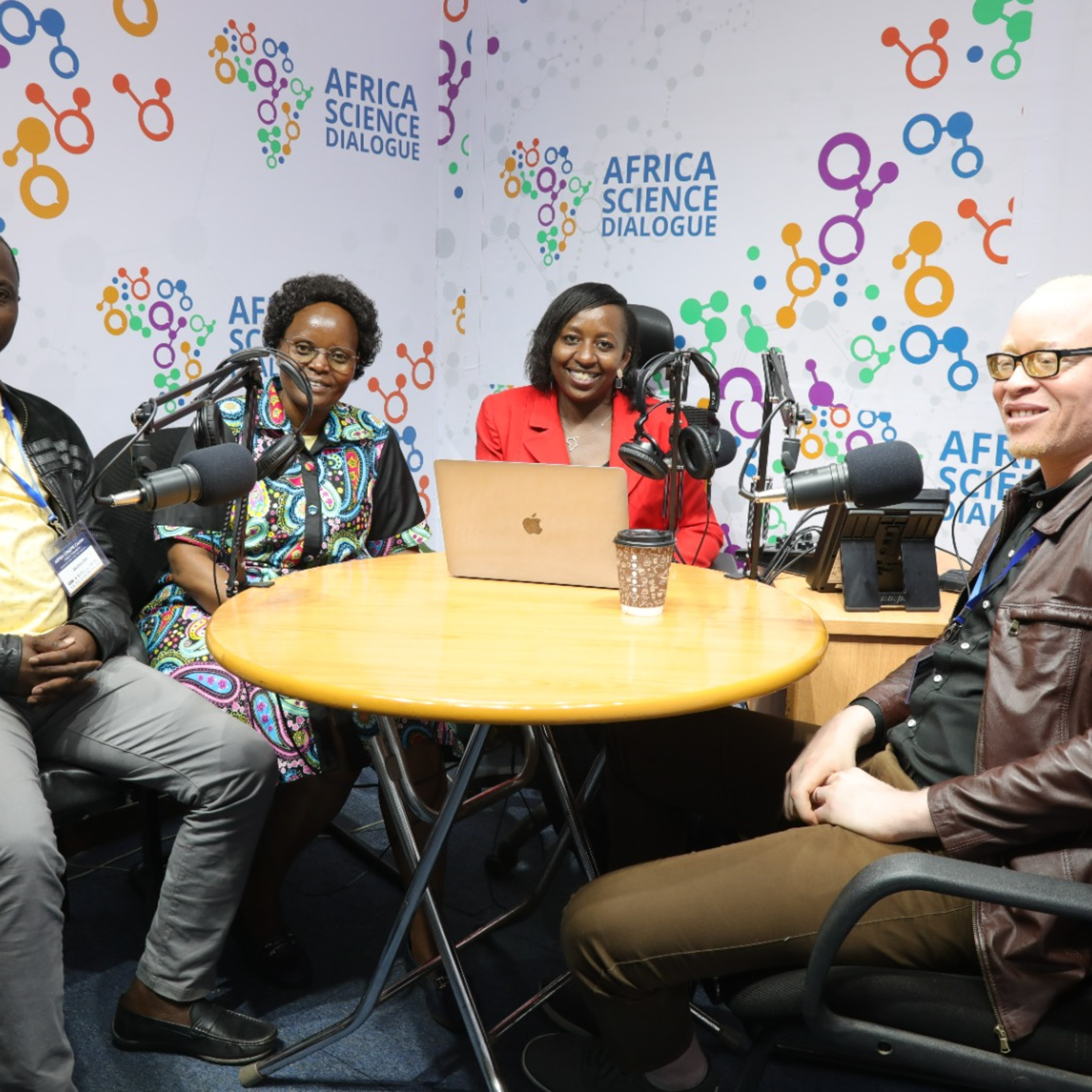
African Scientists on the Path to Transforming Communities through Agriculture

Forging for One Health Approaches in Building a Safer Africa
Youth and Science: Living the Dream to Transform Africa

Demystifying Science and harnessing its Potential to improve Lives

The social media revolution has contributed towards blurring the lines between fact and fiction and disinformation campaigns targeting new innovations have become more aggressive. In fact, the World Economic Forum has declared misinformation a global catastrophe. Widespread falsehoods on scientific innovations delay decision making and fosters mistrust on important innovations. This platform aims to address misinformation on scientific issues in a timely manner, contributing towards building public trust. Our intervention has been informed by over 30 years of lessons learnt in communicating about genetically modified crops.
Show more questions posed to and answered by our growing panel of experts
How is genome editing transforming crop improvement strategies in Africa, and what collaborations are needed to support its adoption?
Genome editing is one of the recent molecular biology innovations that utilize enzymes to introduce useful small changes in the genetic make-up of organisms. The technology is particularly important to Africa as it is relatively cheaper, and accessible to individual researchers or small enterprises, thus basically democratizing the benefits of science. In order to access and make best use of this technology, public institution researchers have been collaborating closely with the private sector.
What impact has Bt cotton had on smallholder farmer livelihoods and pest management practices in African countries where it's been introduced?
Bt cotton is self protecting against the damaging bod borer pests that otherwise decimates cotton yields up to 100 percent. Adoption of Bt cotton has had the advantage therefore of ensuring that the maximum yields of the crop have been realized. In addition, the farmers save on the costs they would have used in the more than 12 spray rounds that they would apply on non-Bt cotton. With Bt cotton, farmers now only apply 2 to 3 rounds of spray against other important pests such as mealy bugs.
Elevate your articles with high-quality, royalty-free images available for download on our platform.
Our extensive image library offers a wide range of visuals to complement your features and articles.
Ask any science related question to the community. You can ask an unlimited number of questions but only 3 can remain unaddressed at any given time. All your questions will be listed under “Questions“
Your question is screened for subject matter and assigned to the most appropriate experts in the subject. If your question is deemed too verbose or unclear, it will be rejected, at which point you can modify your question for resubmission.
The assigned experts submit their answers within a set duration, after which the first submission is scrutinized for correctness. If deemed as such, the answer is made public, otherwise the question is re-submitted to the assigned panel of experts.
Once public, your question will be visible to the entire community on the AfriSD answers page, with credit to the expert who provided the answer.