
Unsafe food remains a major public health and trade challenge in Africa. The World Health Organization estimates 91 million foodborne illnesses and 137,000 deaths each year on the continent, while aflatoxin contamination alone costs US$670 million annually in rejected exports, recalls, and lost markets. Climate change and porous borders further amplify these risks.
To address these challenges, biotechnology offers powerful tools that enhance prevention, mitigation, monitoring and early warning of food hazards. These include genetic modification (GM), gene editing, biocontrol and modern molecular diagnostics.
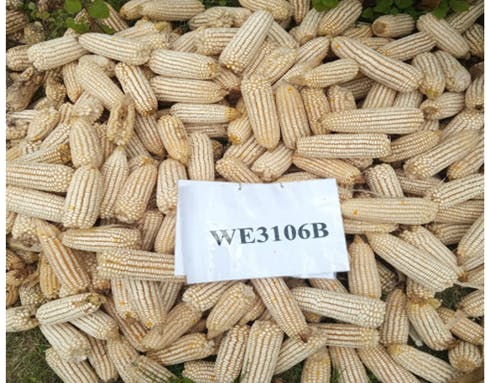
Biotech solutions tackling aflatoxin are contributing to this shift. Some examples of biotech tools for controlling aflatoxin include RNA interference (RNAi) maize, which suppresses the fungal genes responsible for aflatoxin production, achieving up to 90% reduction in field studies. Bt maize, widely adopted for insect resistance, indirectly reduces aflatoxin by preventing insect-caused kernel damage, with multi-country studies showing 30 - 80% less aflatoxin than in non-GM maize. Aflasafe, a biocontrol product containing non-toxin-producing strains of Aspergillus flavus, outcompetes harmful strains in the field, delivering 80 - 90% reduction in both maize and groundnut aflatoxin.
Reducing allergen risks through gene editing is another promising frontier. Gene-editing tools like CRISPR-Cas can precisely switch off allergenic proteins in crops such as wheat, soybeans and groundnuts. Experimental studies show 70-85% reduction in allergenicity, offering safer options for consumers with food allergies.
Next-generation diagnostics are equally transformative, providing fast, portable, predictive capabilities. Biotechnology can shift Africa’s food safety systems from “detect and respond” to “predict and prevent” mode. Biosensors provide portable, minutes-fast detection of contaminants at parts-per-billion sensitivity. Metagenomics uses DNA sequencing to rapidly identify pathogens and toxin-producing organisms, even in complex food samples. AI-driven analytics forecast contamination hotspots and emerging risks, strengthening early-warning systems.
A continuum of protection for safer food systems is emerging as the aforementioned biotech tools reinforce safety at multiple points along the food chain to prevent, mitigate, monitor and forecast hazards. Prevention is supported through Bt maize and Aflasafe. Mitigation is advanced through RNAi maize and gene-edited crops. Monitoring is strengthened by biosensors and metagenomics, while forecasting is enhanced through AI-based prediction. Synergistically, they offer a comprehensive, systems-level approach to food and feed safety in Africa.
Addressing barriers to adoption remains essential. Despite clear evidence, the uptake of biotech innovations remains slow – held back by negative public perceptions, misinformation and fragmented regulatory frameworks. Unlocking their full potential requires strong science communication, coherent policies and investment in local capacity. Biotechnology will not solve all food safety challenges, but it provides some of the most effective and scalable tools available today. Harnessing these innovations is essential for a safer, more resilient African food systems.
Dr. Allan Liavoga is a food safety expert.